Hours
Monday to Friday: 9AM - 5PM

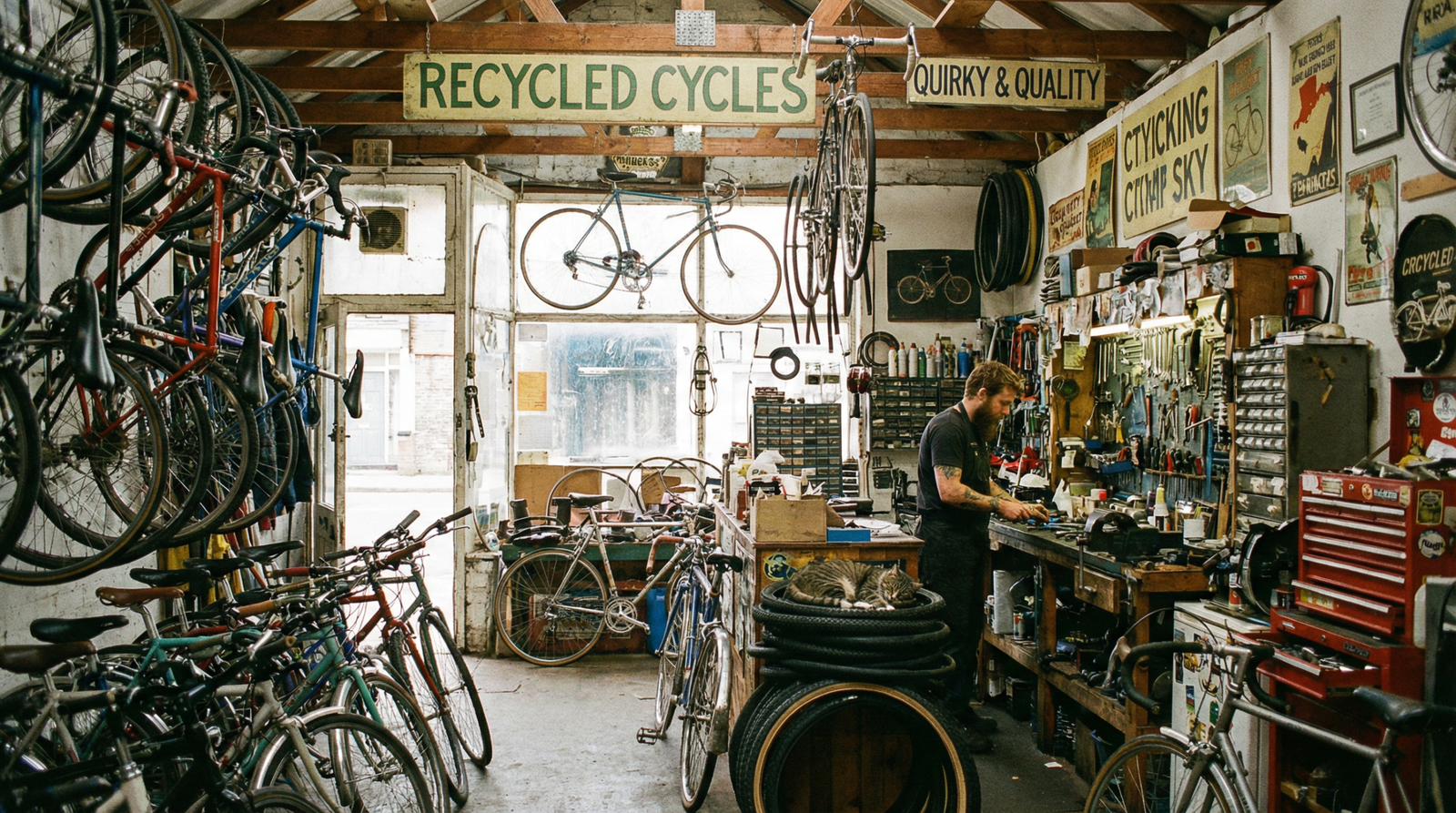

Most independent bike shops don’t make a conscious decision to neglect e-commerce.
It usually happens quietly.
The site goes live. Products are flowing in from the POS. Orders come in here and there. Things mostly work. And then, over time, small gaps start to form.
Nothing breaks.
Nothing feels urgent.
But performance slowly slips.
This is one of the most common patterns we see in bike shop e-commerce — not failure, but drift.
It’s Not a Platform Problem
When e-commerce starts falling behind, the instinct is often to blame the platform.
Shopify isn’t flexible enough.
The POS integration isn’t perfect.
The site feels dated.
In reality, most bike shop e-commerce problems aren’t caused by bad technology. Modern platforms and data feeds do their job reasonably well.
The real issue is ownership.
E-commerce doesn’t have a natural home inside most independent shops. It lives somewhere between the shop floor, marketing, service, and operations — which means it often belongs fully to no one.
The Shop Floor Always Comes First (And That’s Not Wrong)
In a healthy bike shop, the priorities are clear:
- Customers in the store
- Bikes going out the door
- Service tickets getting turned
- Staff schedules, vendors, events
Those things should come first.
The problem is that e-commerce work doesn’t stop just because the shop is busy. Merchandising, homepage updates, email campaigns, seasonal changes — all of that still needs attention, even when there’s no obvious fire to put out.
So it gets postponed.
Not because it isn’t important, but because it isn’t loud.
What “Falling Behind” Actually Looks Like
Most shops don’t notice e-commerce slipping all at once. It shows up in small, familiar ways:
- The homepage hasn’t changed in months
- Seasonal products are buried instead of featured
- Clearance lives wherever products happen to land
- Service pages exist, but no one can find them
- Email only goes out when there’s a sale
- Automations were set up once and never revisited
None of these are catastrophic.
But together, they add up.
Over time, the site stops supporting the shop as well as it could.
Consistency Is the Missing Piece
Strong bike shop e-commerce isn’t about big redesigns or constant optimization.
It’s about consistency.
- Regular homepage updates
- Clear product visibility
- Seasonal merchandising that makes sense
- Email that supports service and sales
- Small UX improvements over time
Most shops already know what should be happening online. The challenge is finding the time and focus to actually do it, week after week.
That’s where things break down.
Why Rebuilds Rarely Fix the Real Problem
When frustration builds, many shops jump to the idea of a rebuild.
A new design.
A fresh start.
A cleaner experience.
Sometimes that’s necessary — but often it just resets the clock.
Without ongoing ownership, even a brand-new site will slowly fall into the same pattern. The tools change, but the underlying issue remains.
E-commerce needs steady attention, not occasional overhauls.
E-commerce Should Support the Shop — Not Compete With It
One reason shops hesitate to invest time in e-commerce is the fear that it will compete with the shop floor. Handled poorly, that can be true.
Handled well, e-commerce should:
- Reduce friction for customers
- Support service departments
- Highlight the brands and bikes you already sell
- Make in-store conversations easier, not harder
The goal isn’t to become a big online retailer.
It’s to make your online presence work with your shop, not against it.
What Actually Helps E-commerce Stay Healthy
From working with bike shops and inside large omni-channel retailers, a few things consistently make the difference:
- Clear ownership
Someone (internal or external) is responsible for the online experience. - Realistic expectations
Not everything needs to be perfect. It just needs to be current. - Regular, small updates
Consistency beats big pushes every time. - Alignment with the shop floor
Promotions, service, and messaging match what’s happening in-store.
When those things are in place, e-commerce stops feeling like a burden and starts feeling like support.
The Quiet Truth
Most bike shop e-commerce doesn’t fail.
It just slowly falls behind.
And because it happens gradually, it’s easy to live with longer than it should.
The good news is that fixing it rarely requires dramatic changes. It requires attention, experience, and steady follow-through — the kind that’s hard to maintain when you’re already running a shop.
A Final Thought
If your e-commerce site exists, works, but never quite feels like it’s doing what it should — you’re not alone. That’s the reality for most independent bike shops.
The question isn’t whether e-commerce matters. It’s who’s responsible for keeping it on track.
This is the kind of work Upline helps independent bike shops stay on top of — quietly, consistently, and without adding more to an already full plate.